

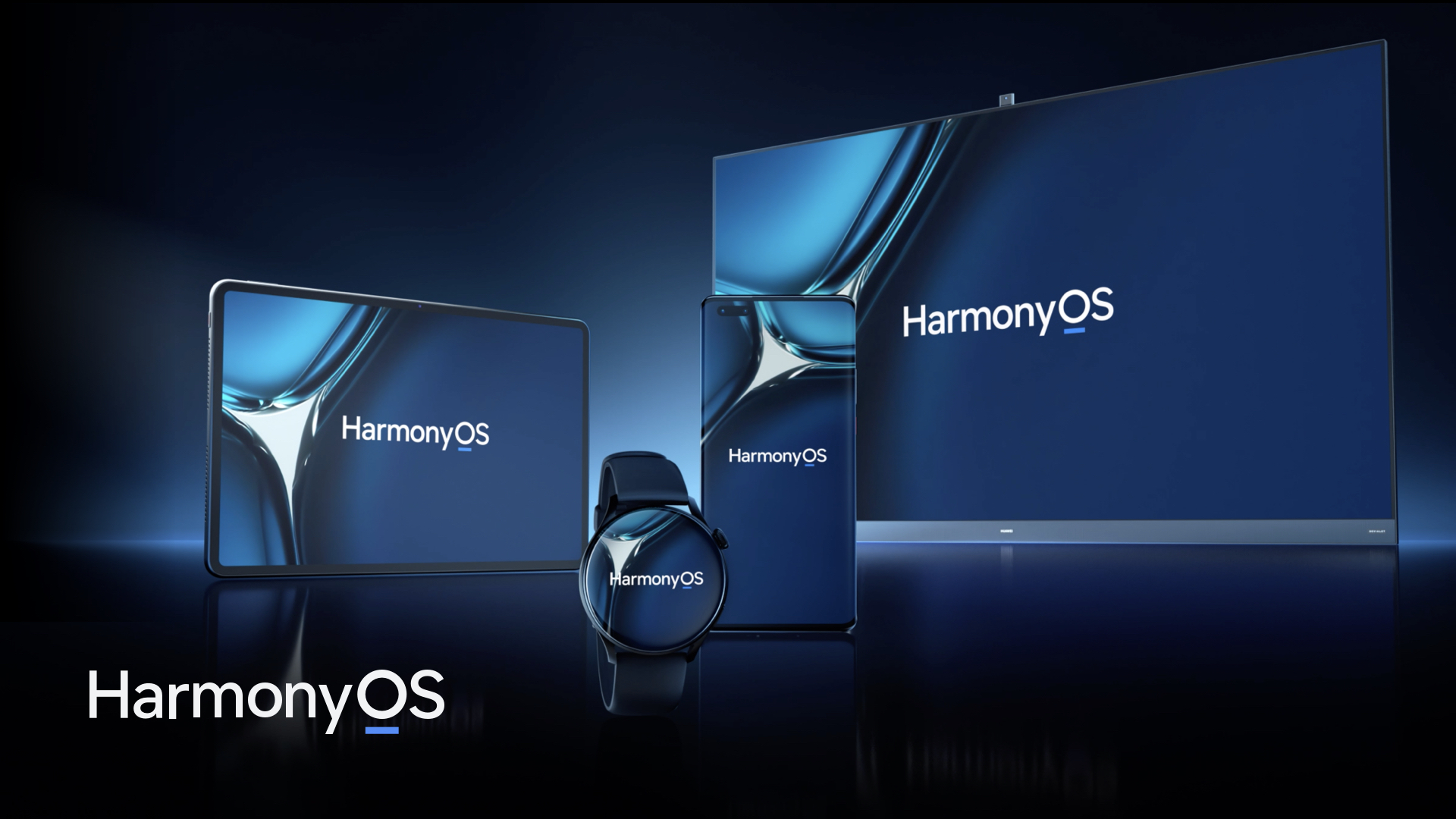
HarmonyOS iF Design Award recognition highlights Huawei’s growing influence in software design and user experience innovation. The company’s self-developed operating system recently received global attention after winning the prestigious international design honor. The award celebrates HarmonyOS for delivering an intuitive, interactive, and user-friendly digital interface across multiple smart devices.
The global recognition arrived during the latest international design evaluation hosted by a respected German design institution. The judging panel praised the operating system for its refined interface and seamless interaction across Huawei’s ecosystem of devices. According to the organizers, thoughtful design naturally resonates with users worldwide, and HarmonyOS demonstrates this principle through its modern interface structure and intuitive functionality.
Winning the HarmonyOS iF Design Award marks an important milestone in Huawei’s software journey. For several years, Huawei relied heavily on Android for its smartphones and digital devices. However, the company began developing its own operating system after facing limitations in access to certain technologies. This strategic shift led to the creation of HarmonyOS, an independent software platform designed to power a wide ecosystem of connected devices.
Huawei officially introduced the fully independent version of the system, HarmonyOS NEXT, as a major evolution in its software strategy. Unlike earlier versions, HarmonyOS NEXT operates independently of Android architecture. The platform focuses on improved performance, stronger security protections, and enhanced artificial intelligence capabilities. These improvements form the foundation that helped the system achieve the HarmonyOS iF Design Award recognition.
The design award specifically highlights the system’s user interface and user experience architecture. HarmonyOS places strong emphasis on simplicity, visual clarity, and efficient interaction. These elements allow users to navigate applications and device functions easily without unnecessary complexity. The system aims to reduce friction between users and technology through thoughtful interface design.
One major strength of the platform involves its ability to operate across a wide range of devices. The HarmonyOS ecosystem extends beyond smartphones to include smart televisions, home automation devices, automotive systems, and wearable technologies. This broad compatibility allows users to experience consistent interactions regardless of which device they are using.
Judges reviewing the platform noted that the system offers a cohesive user interface across different product categories. Whether interacting with smart home devices or vehicle dashboards, the design remains consistent and intuitive. This unified design approach contributed significantly to the HarmonyOS iF Design Award recognition.
Huawei also invested heavily in artificial intelligence integration within the operating system. AI-driven features help personalize device interactions based on user behavior and preferences. For example, smart suggestions and predictive actions allow devices to anticipate common tasks. These improvements create smoother experiences and reduce the time required to complete everyday activities.
Security and privacy protection represent another important focus within the system’s design philosophy. HarmonyOS incorporates advanced security mechanisms that safeguard sensitive information across connected devices. Huawei engineers designed the platform to ensure that confidential user data remains protected while still enabling seamless device communication.
The company continues improving the software through frequent updates and new feature integration. Each update refines system stability, enhances interface performance, and introduces additional smart capabilities. These improvements reflect Huawei’s ongoing commitment to strengthening the HarmonyOS ecosystem.
Another factor contributing to the HarmonyOS iF Design Award involves the platform’s advanced gesture-based interaction system. HarmonyOS supports intuitive gesture controls that allow users to perform tasks quickly. These gestures reduce reliance on traditional buttons and menus, making device operation more natural and fluid.
The system also introduces streamlined control panels that simplify complex tasks. With single-tap controls, users can adjust settings or activate device functions quickly. This design philosophy prioritizes speed and convenience while maintaining clarity and accessibility.
Smart home integration plays an important role in HarmonyOS design. The platform connects home appliances, lighting systems, security devices, and entertainment equipment into a unified environment. Through simple gesture controls and intuitive dashboards, users can manage multiple devices simultaneously.
Within the smart vehicle sector, HarmonyOS cockpit features illustrate the platform’s advanced interaction capabilities. The operating system provides drivers with streamlined access to navigation, entertainment, and vehicle controls. The interface design emphasizes safety and simplicity, ensuring that drivers can access information quickly without distraction.
Industry analysts view the HarmonyOS iF Design Award as validation of Huawei’s long-term investment in software innovation. The company has spent years refining the operating system’s interface architecture and expanding its compatibility with diverse devices. Recognition from an international design organization confirms the effectiveness of these efforts.
Huawei executives emphasize that the award represents both recognition and motivation for continued innovation. The company plans to further enhance the HarmonyOS platform through new design improvements and additional features. Future updates will likely continue focusing on artificial intelligence, ecosystem integration, and improved user experience.
The success of HarmonyOS also reflects a broader shift within the technology industry. Software ecosystems increasingly define the value of digital products. Devices that share a consistent operating environment offer greater convenience and functionality to users.
By developing its own operating system, Huawei has created a foundation for long-term ecosystem growth. The HarmonyOS iF Design Award recognition strengthens the platform’s reputation as a serious competitor in the global software landscape. As Huawei continues refining its design philosophy, the operating system may play a central role in shaping the future of connected technology.