

MateBook 14 HarmonyOS Edition marks a major turning point as Huawei pushes deeper into its independent ecosystem. As a result, the upcoming laptop signals a clear shift away from traditional software and hardware partnerships.
Huawei will unveil the device on April 20, alongside other flagship products. This launch represents the company’s first major step away from Windows in its laptop lineup. Therefore, it highlights a broader strategy focused on vertical integration.
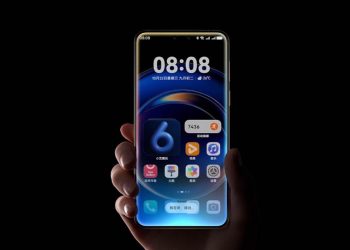
The MateBook 14 HarmonyOS Edition introduces HarmonyOS as its operating system. This move allows Huawei to control both software and hardware development. Consequently, the company aims to deliver a more unified and optimized user experience across devices.
In addition to software changes, the laptop features a refreshed design. Huawei has introduced a mint color finish, which sets it apart from earlier models. At the same time, the keyboard adopts round, typewriter-style keycaps. This design choice gives the device a distinctive look and feel.
The display remains a key highlight. The laptop includes a 14.2-inch panel with a 2.8K resolution and a 3:2 aspect ratio. Moreover, Huawei claims the screen achieves a 91 percent screen-to-body ratio. It also supports an adaptive refresh rate of up to 120Hz, which improves smoothness while conserving power.
However, the most significant change lies inside the device. Reports suggest that the MateBook 14 HarmonyOS Edition will replace Intel chips with a proprietary Kirin processor. If confirmed, this shift would mark Huawei’s full transition to in-house silicon for its laptops.
This move aligns with Huawei’s long-term strategy. By developing its own chipset and operating system, the company reduces reliance on external suppliers. In turn, it gains greater control over performance, security, and integration.
Furthermore, the MateBook 14 HarmonyOS Edition reflects Huawei’s broader ecosystem vision. The company has already adopted similar integration across its smartphones and tablets. Now, it aims to extend this approach to personal computing.
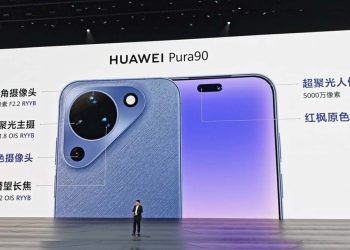
At the same event, Huawei will also introduce the Pura 90 smartphone series and the Pura X Max foldable device. These launches show how the company is building a connected ecosystem across multiple product categories.
Meanwhile, the shift to HarmonyOS could reshape the user experience. Users may benefit from seamless interaction between devices. For example, file sharing, multitasking, and app continuity could improve across Huawei products.
Even so, the transition presents challenges. Huawei must ensure software compatibility and developer support. Without a strong app ecosystem, adoption could slow. Therefore, the success of the MateBook 14 HarmonyOS Edition will depend on both hardware and software performance.
Looking ahead, the April 20 launch will provide more details. Huawei is expected to reveal full specifications, pricing, and availability. These details will determine how the device competes in the global laptop market.
In conclusion, the MateBook 14 HarmonyOS Edition represents a bold strategic shift. Huawei is moving toward full independence in both software and hardware. If successful, this approach could redefine its position in the global tech industry.