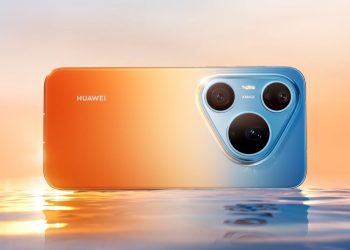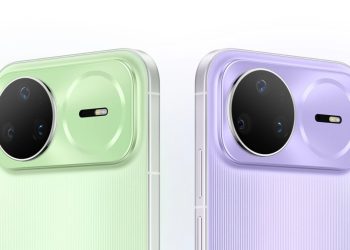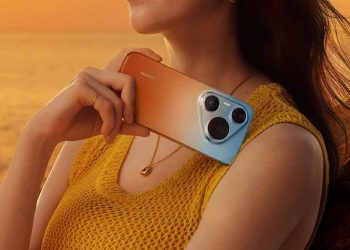


The Huawei Pura 90 multispectral camera is emerging as one of the most unexpected innovations in Huawei’s latest smartphone lineup, offering a feature that even its higher-end Pro and Pro Max variants do not include. This move challenges the usual assumption that flagship models always carry the most advanced capabilities.
At the center of this surprise is the integration of a multispectral sensor alongside the front-facing camera. While premium models focus heavily on rear camera performance, the standard Pura 90 shifts attention to the selfie experience. As a result, it introduces a new approach to portrait photography that prioritizes color accuracy and depth.
The Huawei Pura 90 multispectral camera works in combination with a 50-megapixel front sensor. Together, they capture more detailed and realistic images. Unlike traditional selfie cameras, this setup detects a broader range of light wavelengths. Therefore, it reproduces skin tones and environmental colors with greater precision.
This dual front system sits within a pill-shaped display cutout. In contrast, the Pro models use a simpler punch-hole design. That difference highlights Huawei’s deliberate choice to prioritize advanced front-facing technology in the standard model. As a result, users who value selfies and portrait shots may find the base version more appealing.
The Huawei Pura 90 multispectral camera builds on technology first introduced in Huawei’s Nova series. In those devices, multispectral sensors improved color accuracy by analyzing light beyond the visible spectrum. Now, Huawei has refined that approach and applied it directly to the Pura lineup.
This enhancement delivers clear benefits in everyday use. Portraits appear more natural, with balanced lighting and accurate tones. In addition, the camera captures subtle details in shadows and highlights. As a result, photos look more lifelike, even in challenging lighting conditions.
Another advantage of the Huawei Pura 90 multispectral camera is its ability to enhance environmental detail. The sensor does not just focus on the subject. Instead, it also processes background elements with greater accuracy. Therefore, images maintain a consistent color profile across the entire frame.
Interestingly, this feature is absent from the Pro and Pro Max versions. While those models focus on advanced rear camera systems, they do not include the multispectral front sensor. As a result, the standard Pura 90 stands out in a category where it would normally be overshadowed.
This design decision suggests a broader shift in smartphone strategy. Manufacturers are beginning to diversify features across models instead of concentrating everything in one device. Therefore, users must now choose based on specific needs rather than assuming the most expensive option is the best fit.
The Huawei Pura 90 multispectral camera also reflects the growing importance of selfie photography. Social media, video calls, and content creation continue to drive demand for high-quality front cameras. As a result, innovations in this area are becoming more valuable to everyday users.
In practical terms, the camera ensures that each shot captures both subject and surroundings with clarity. It highlights natural beauty without over-processing. In addition, it preserves fine details that often get lost in standard smartphone photography. Therefore, users can expect consistent results across different scenarios.
Looking ahead, multispectral imaging could become a standard feature in future smartphones. As technology evolves, manufacturers may expand its use beyond photography into areas such as augmented reality and advanced imaging analysis.
Ultimately, the Huawei Pura 90 multispectral camera sets the device apart in a crowded market. It offers a unique advantage that prioritizes real-world image quality over traditional flagship hierarchy. For users who value accurate colors and refined portraits, this feature makes the standard Pura 90 a compelling choice.