

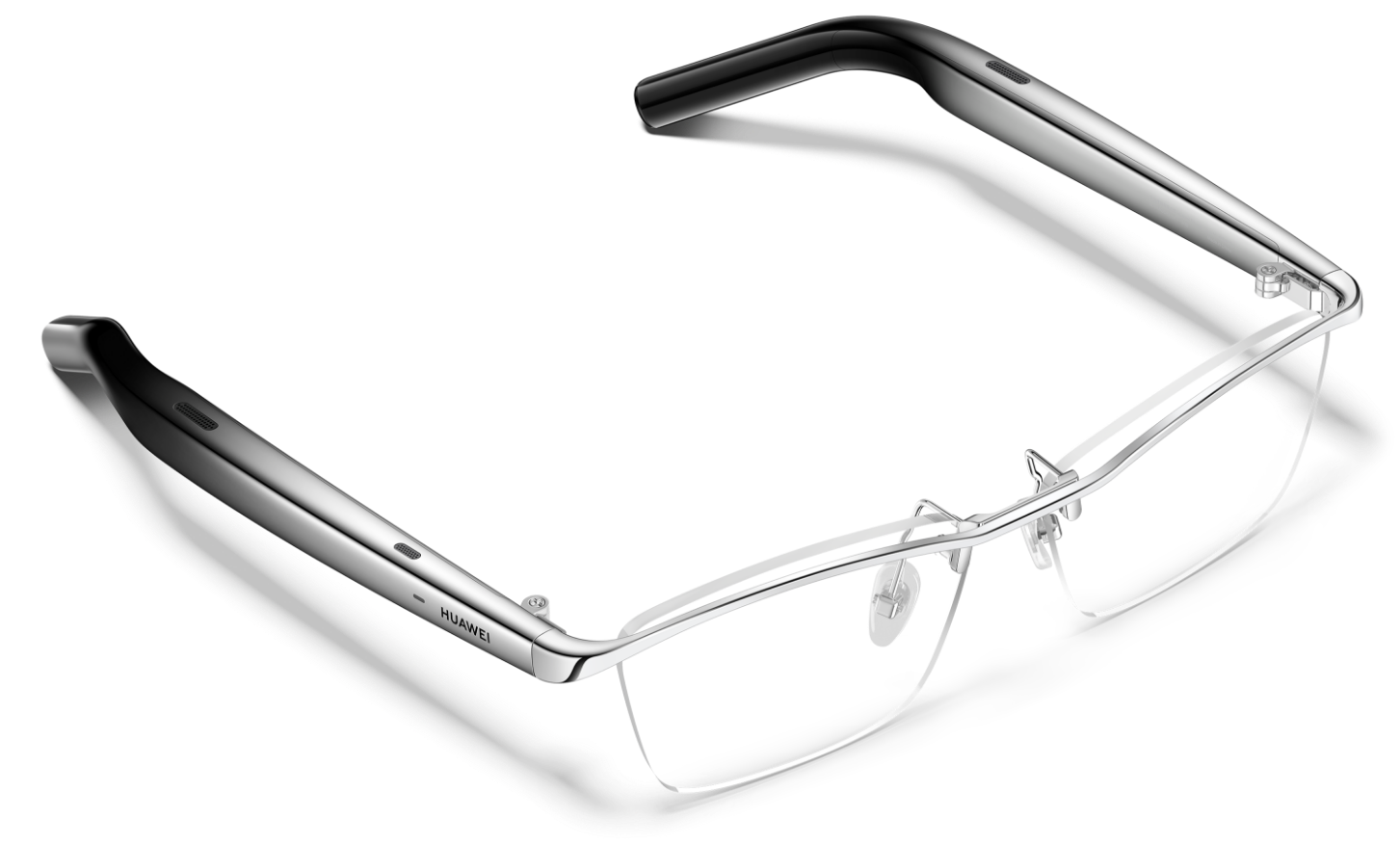
Huawei AI Eyewear could debut next month as the company prepares its newest smart wearable device. Reports suggest the glasses will introduce powerful artificial intelligence tools and upgraded smart features. These improvements aim to deliver a more interactive and convenient user experience.
The upcoming Huawei AI Eyewear reportedly appeared during demonstrations at a major global technology event. Observers noted several innovative functions that hint at Huawei’s vision for next-generation wearables. These smart glasses may push the boundaries of everyday digital interaction.
One of the most notable additions is augmented reality navigation. This feature may allow users to see directions directly in their field of vision. Instead of looking at a smartphone screen, users could follow visual guidance while walking or traveling.
This technology could transform how people navigate unfamiliar locations. Travelers, commuters, and tourists may find the feature especially useful. Real-time directions appearing in front of the eyes reduce the need to constantly check mobile devices.
Another major highlight of the Huawei AI Eyewear is landmark recognition technology. The device may identify buildings, monuments, and key locations instantly. Users simply look at an object, and the glasses analyze it.
Once recognized, the glasses could display relevant information about the location. This feature could enhance travel, sightseeing, and exploration. It may also support educational uses in historical or cultural environments.
A built-in real-time translation system appears to be the most impressive capability. The translation feature could allow users to communicate across languages quickly. Conversations may become easier when traveling or interacting with international communities.
Unlike many existing translation tools, this system may function directly within the eyewear. Users might not need a separate smartphone application for basic translations. The Huawei AI Eyewear could process speech and provide translated output instantly.
Real-time translation has become one of the most valuable uses of artificial intelligence. When integrated into wearable devices, it removes barriers between languages. This technology could make global communication simpler and more accessible.
Reports also suggest the device will include QR code payment capability. This function may allow users to scan payment codes through the glasses. Digital transactions could become faster and more convenient.
QR-based payment systems are already common in many regions. Integrating this technology into eyewear may simplify everyday purchases. The Huawei AI Eyewear could become a powerful tool for quick contactless transactions.
Another rumored upgrade is a built-in camera system. The camera may allow users to capture photos and short videos instantly. This feature could help users record moments without reaching for their smartphones.
The camera could also support visual recognition features. By combining artificial intelligence with image detection, the device may identify objects in real time. This capability could provide useful contextual information about surroundings.
Audio functionality remains another key component of the Huawei AI Eyewear. Huawei has invested heavily in open-ear audio technology. This design allows users to listen to music while remaining aware of their environment.
Open-ear audio systems are ideal for outdoor activities. People can listen to music, podcasts, or calls while walking or cycling. The design improves safety because environmental sounds remain audible.
Huawei is expected to enhance sound quality in the upcoming model. Improved speakers may deliver clearer music playback and stronger voice clarity during calls. These improvements will likely make the eyewear more practical for daily use.
Another important upgrade could involve greater device independence. Earlier smart glasses often relied heavily on smartphone apps. The new Huawei AI Eyewear may perform many tasks directly through the glasses.
This shift toward independence could improve usability significantly. Users may access features such as translation or navigation without constantly reaching for their phones. The experience becomes more natural and seamless.
The development of Huawei AI Eyewear reflects Huawei’s broader wearable technology strategy. The company has already built a strong ecosystem of smart devices. These include smartphones, smartwatches, earbuds, and health trackers.
Smart eyewear represents the next step in this ecosystem. By integrating artificial intelligence into wearable devices, Huawei aims to deliver smarter daily assistance. These devices could eventually act as personal digital companions.
Artificial intelligence plays a central role in the device’s design. Features such as translation, navigation, and recognition rely on AI processing. These tools help the glasses respond intelligently to real-world situations.
Competition in the smart eyewear market continues to grow. Several technology companies are investing heavily in augmented reality wearables. Huawei’s approach focuses on combining practical features with strong AI integration.
The rumored launch of Huawei AI Eyewear next month may mark a significant moment in wearable technology. If the device performs well in real-world use, it could reshape expectations for smart glasses.
Smart eyewear is gradually evolving from simple accessories into powerful digital assistants. Devices now combine cameras, AI processing, navigation tools, and audio systems. Huawei’s new product may demonstrate how these technologies work together.
As anticipation grows, the upcoming launch highlights the future direction of wearable computing. Devices like Huawei AI Eyewear could soon become everyday tools for communication, navigation, and entertainment.