

Huawei, known for its innovation in mobile and tablet technology, is reportedly testing dual-layer OLED screens for its upcoming PC lineup. After successfully incorporating this cutting-edge technology into smartphones and large-screen tablets, the company plans to expand the use of dual-layer OLED to enhance the visual experience on personal computers. This move marks a major step forward in display technology for laptops, as Huawei prepares to introduce an entirely new viewing experience for users.
Huawei’s Evolution with Dual-Layer OLED Technology
Huawei first introduced dual-layer OLED technology with its flagship smartphones and tablets, quickly gaining recognition for the enhanced display capabilities it offered. The company’s focus on delivering high brightness, ultra-high contrast, and superior durability has made its OLED screens a popular choice in its mobile and tablet products.
One of the earliest devices to feature this dual-layer OLED technology was the MatePad Pro 12.2 in 2024. This large-screen tablet was lauded for its integration of the dual-layer OLED system, paired with a cloud-clear soft light panel that dramatically increased brightness and contrast. The result was a display that offered incredible clarity, even under challenging lighting conditions.
Not only did the dual-layer OLED display contribute to vivid and lifelike visuals, but it also provided several additional benefits. These displays feature anti-glare, anti-reflection, and anti-fingerprint properties, making them more durable and usable in various environments. The technology’s ability to reduce 99% of interference light ensures that users can enjoy a sharp, clear picture even in direct sunlight, making it ideal for outdoor use.
Huawei also applied dual-layer OLED technology to its Mate 70 RS Ultimate smartphone, which gained attention for its robust and bright display. This model was praised for its screen’s ability to reach peak brightness levels up to 8000 nits, offering an unparalleled viewing experience. Despite initial plans to implement dual-layer OLED in the Pura 80 Ultra, Huawei decided to launch it again with the Mate 80 RS.
Moving into the PC Market: A First for Laptops
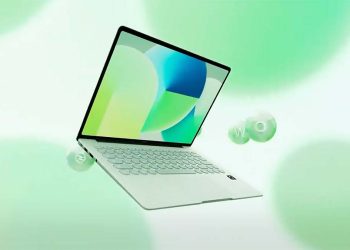
Now, it seems that Huawei is ready to bring this innovative display technology to its laptop lineup. According to recent leaks from Weibo tipster @SmartPikachu, Huawei has begun testing dual-layer OLED panels for PCs, signaling the company’s plans to introduce the technology to its MateBook series. This would be the first time any Original Equipment Manufacturer (OEM) uses a dual-layer OLED display in laptops, setting Huawei apart from its competitors in the PC market.
The transition of dual-layer OLED technology from mobile devices and tablets to laptops represents a significant leap forward. While Huawei has already proved the viability of the technology in smaller devices like smartphones and tablets, its adaptation for laptops will offer an entirely new level of visual clarity and performance. As laptops continue to evolve in terms of design and performance, incorporating advanced display technologies like dual-layer OLED could become a major differentiator in the competitive PC market.
Key Advantages of Dual-Layer OLED Displays for PCs
For laptops, the dual-layer OLED technology offers several significant advantages. These include:
- Enhanced Brightness and Contrast: Dual-layer OLED displays deliver vibrant colors and deep blacks, making images appear more lifelike and dynamic. This feature is particularly beneficial for content creators, gamers, and media enthusiasts who rely on high-quality displays for their work and entertainment.
- Improved Durability: The addition of a soft light cloud-clear panel increases the durability of the OLED display, making it resistant to scratches, fingerprints, and glare. This makes it more suitable for everyday use, especially in environments with varying lighting conditions.
- Anti-Glare and Anti-Reflection Properties: One of the most notable features of dual-layer OLED technology is its ability to drastically reduce glare and reflection. This is particularly important for laptop users who often work in bright or outdoor environments. The technology ensures that the display remains clear, even when exposed to direct sunlight.
- Better Battery Life: OLED displays are known for being more energy-efficient than traditional LCD screens. Since each pixel in an OLED display emits its own light, it requires less power, leading to longer battery life in laptops without compromising on brightness or image quality.
- Perfect for Gaming and Multimedia: The superior contrast and response times of OLED displays make them ideal for gaming, video editing, and other high-performance tasks. The vivid visuals and smooth animations offered by dual-layer OLED technology will enhance the experience for users engaged in graphics-heavy applications.
Uncertainty Over Which MateBook Will Feature Dual-Layer OLED First
Despite the excitement surrounding Huawei’s plans to bring dual-layer OLED technology to its laptops, details about which specific MateBook model will be the first to feature this new technology are still unclear. However, given Huawei’s history of innovation in its flagship devices, it is likely that the technology will debut in the MateBook X Pro or the MateBook 16 series, both of which are known for their cutting-edge features and high-quality displays.
The launch is expected to occur sometime later this year, potentially in the first half of 2026. The integration of dual-layer OLED into Huawei’s MateBook line will offer a significant upgrade in display technology, particularly for users who demand high-quality visuals for professional and personal use.
Competition in the Laptop Display Market
Huawei’s foray into dual-layer OLED displays for laptops puts the company in direct competition with other PC manufacturers that have been investing heavily in display technologies. Brands like Apple, Dell, and HP have already embraced OLED displays in their high-end laptops, but Huawei’s introduction of dual-layer OLED technology sets it apart with a potentially superior viewing experience.
While OLED displays have become more common in premium laptops, Huawei’s dual-layer OLED technology offers a new level of brightness, clarity, and durability that could redefine what users expect from laptop screens. By incorporating this advanced technology, Huawei is positioning itself as a leader in the race for next-generation display technology in the PC market.
What’s Next for Huawei in the PC Market?
Huawei’s decision to test and eventually implement dual-layer OLED displays in its MateBook series marks a bold step forward in the company’s strategy to innovate within the PC market. The technology promises to deliver a vastly improved visual experience, enhanced durability, and energy efficiency—key features that will set Huawei’s laptops apart from the competition.
As the company prepares to launch these new laptops, all eyes will be on how the dual-layer OLED technology performs in real-world scenarios, especially when compared to other high-end laptop displays. If successful, Huawei’s new MateBooks could not only redefine the laptop display market but also position the company as a formidable competitor in the global PC industry.