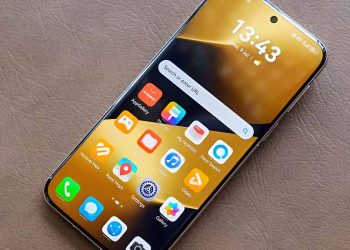


The upcoming Huawei Nova 16 series is poised for a significant performance upgrade with a new Kirin chipset. Rumors suggest the Nova 16 performance will be boosted by the all-new Kirin 8030 5G processor. This chip promises to maximize computing power for the sub-flagship lineup. Consequently, the Nova 16 performance could reach new heights, offering users a super fluent experience. Tipster GuoJing indicates the Kirin 8030 will bring the “maximum extent of computing power.” Therefore, the Nova 16 performance gains should be noticeable in daily tasks and demanding applications. While core configuration details are unknown, it is expected to be a flagship-level chip. The focus on Nova 16 performance follows the Nova 15 series, which used the Kirin 8020 and 9010S. This generational leap in Nova 16 performance would strengthen Huawei’s position in the competitive mid-range segment.
Some speculation suggests the standard and Pro models may get the Kirin 8030, while an Ultra variant could receive the more powerful Kirin 9020B. Alternatively, Huawei may use an overclocked version of the Kirin 8030 for higher-tier Nova 16 performance. The chip was previously rumored for the Nova 15 series but appears reserved for this launch. Beyond processor upgrades, the Nova 16 series is also expected to feature design and camera changes. The company may even ditch the “Ultra” model this generation. Ultimately, the promised Nova 16 performance boost is the headline feature generating early interest.
The Kirin 8030 Chipset Details
The key to the Nova 16 performance upgrade is the Kirin 8030 5G chip. Specific details about its architecture and core count remain under wraps. However, leaks state it will retain the highest CPU efficiency to ensure smooth, lag-free operations. This focus on efficiency alongside power is crucial for the Nova 16 performance profile. It suggests the chip will balance raw speed with thermal management and battery life. The Kirin 8030’s role in elevating Nova 16 performance marks Huawei’s continued push to advance its in-house semiconductor designs despite external pressures.
Expected Performance Gains and User Experience
The rumored Nova 16 performance leap should translate into tangible user benefits. Apps will launch faster, multitasking will be smoother, and gaming frame rates should improve. The promise of “super fluent operations without any lags” directly addresses a common consumer pain point. For a series positioned below the flagship Mate line, strong Nova 16 performance is a critical selling point. It allows the device to compete with rivals offering the latest Snapdragon or MediaTek chips. The Nova 16 performance upgrade could be the most compelling reason for users to choose this model over its predecessor or competitors.
Model Variations and Chip Strategy
The leak presents two possibilities for the Nova 16 performance hierarchy. The first scenario has the standard Nova 16 and Pro model using the Kirin 8030, while a potential Ultra variant gets the superior Kirin 9020B. This would create a clear Nova 16 performance tier within the series itself. The second scenario suggests Huawei might use an overclocked version of the Kirin 8030 for higher-end models. This strategy would simplify the supply chain while still offering differentiated Nova 16 performance levels. The final decision will reveal how Huawei segments its sub-flagship market.
Design and Camera Updates
While Nova 16 performance is the central rumor, other changes are anticipated. The tipster also mentioned forthcoming design revisions and camera upgrades. The Nova 16 series may receive a “long-awaited look change,” potentially refreshing its aesthetic appeal. The camera department is also slated for improvements, though specifics are not provided. These updates, combined with the Nova 16 performance boost, would make for a comprehensive generational upgrade. There is also speculation that the “Ultra” model designation might be discontinued this cycle.
Generational Comparison with Nova 15
Understanding the Nova 16 performance claims requires looking back. The standard Huawei Nova 15 uses the Kirin 8020 chip. The Nova 15 Pro and Ultra models use the more capable Kirin 9010S. Therefore, the move to the Kirin 8030 (and possibly 9020B) represents a logical, step-up progression for Nova 16 performance. It continues Huawei’s pattern of reserving its latest silicon innovations for the Mate series before trickling them down to the Nova line. This trickle-down effect ensures each new Nova generation offers a meaningful Nova 16 performance increment over the last.
Market Context and Competitive Pressure
The emphasis on Nova 16 performance arrives amid intense competition in the global smartphone mid-range. Brands like Xiaomi, Realme, and Samsung aggressively promote processor specs in this segment. A strong Nova 16 performance story is essential for Huawei to maintain relevance and market share, particularly in China and other regions where it retains strength. Delivering flagship-like speed in a sub-flagship package is a proven winning formula. The Nova 16 performance upgrade is Huawei’s anticipated counter to rivals’ latest offerings.
The Huawei Nova 16 series appears to be shaping up as a substantial update, with processor performance at its core. The rumored Kirin 8030 chip could deliver the smooth, powerful experience that modern users demand. If the leaks hold true, the Nova 16 performance will be its standout feature, complemented by design and camera refinements. As always, official confirmation from Huawei is needed, but the prospect of a major Nova 16 performance boost is already generating buzz.