EveryHuawei
No Result
View All Result
  • MateBook
  • Tech
    • Gadgets
  • Tech Specs
    • MateBook
  • AI
  • Review
  • News
  • Huawei
  • Gaming
  • MateBook
  • Tech
    • Gadgets
  • Tech Specs
    • MateBook
  • AI
  • Review
  • News
  • Huawei
  • Gaming
No Result
View All Result
EveryHuawei
No Result
View All Result
ADVERTISEMENT
Home Huawei

Huawei Builds Advanced Chip Facilities to Challenge U.S. Tech Sanctions

Nakayenga Patricia Renee by Nakayenga Patricia Renee
1 year ago
in Huawei, AI, News
Nvidia Shares Dip as Huawei Prepares Rival AI Chip Ascend 910D
Summarize with ChatGPTShare to Facebook
ADVERTISEMENT

Huawei Builds Advanced Chip Facilities to Challenge U.S. Tech Sanctions

ADVERTISEMENT

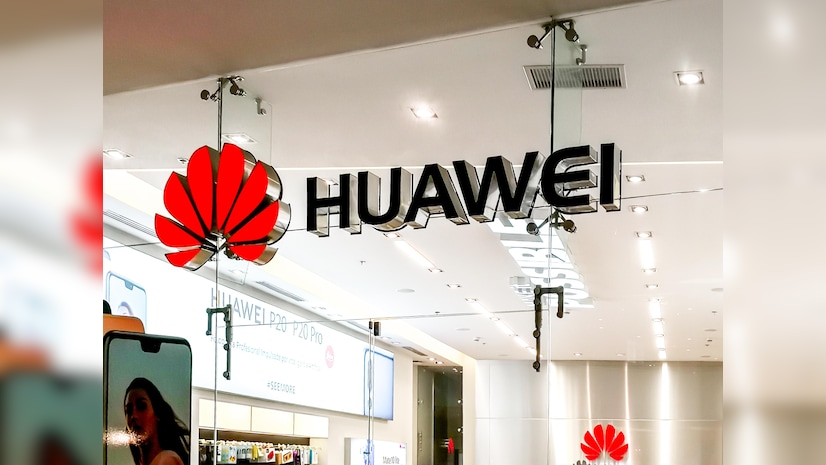
Huawei is doubling down on its quest for technological independence with the construction of advanced semiconductor production facilities in Shenzhen. Satellite imagery has revealed that three large buildings under construction since 2022 are likely part of Huawei’s strategy to develop and manufacture cutting-edge chips for smartphones and artificial intelligence (AI) — a move seen as a direct response to U.S. export restrictions.

Following its addition to the U.S. Entity List in 2019 and subsequent tightening of the Foreign Direct Product Rule (FDPR), Huawei lost access to critical chipmaking technologies and Google Mobile Services. This forced the Chinese tech giant to develop its own HarmonyOS and rely on Chinese foundry SMIC for 7nm chips — the highest capability still accessible without U.S.-linked equipment.

Now, Huawei appears to be advancing plans to create a fully domestic AI chip supply chain. The company is reportedly working on substitutes for extreme ultraviolet lithography (EUV) tools, which are essential for chips smaller than 10nm. TSMC and Samsung are already producing at the 2nm level, while Chinese firms remain locked out of such capability.

Dylan Patel, founder of SemiAnalysis, described Huawei’s push as “unprecedented,” noting its ambition to control every stage of AI chip production — from fabrication equipment to model development.

ADVERTISEMENT

This aggressive effort comes as Nvidia faces export bans on its latest AI chips to China, including the powerful H20. Ironically, this ban has boosted Huawei’s Ascend chip sales in China, filling the market gap left by Nvidia’s restricted presence.

Despite sanctions, Huawei continues to find a way — positioning itself not only as a resilient smartphone maker but also as an emerging force in AI hardware.
Tags: AI chipschip productionHarmonyOSHuaweiNvidiaShenzhenSMICU.S. tech sanctions
ADVERTISEMENT
Previous Post

Huawei’s 910D Chip Aims to Challenge Nvidia’s AI Dominance

Next Post

Huawei’s All-Optical Sensing Enhances Pipeline Security

Related Posts

Huawei Launches Watch Fit 5 Series Globally
News

Huawei Launches Watch Fit 5 Series Globally

May 7, 2026
Huawei Pura 90 Multispectral Camera Surprise
Huawei

Huawei Pura 90 Multispectral Camera Surprise

April 21, 2026
Huawei Pura 90 Pro Max Camera Breakthrough
News

Huawei Pura 90 Pro Max Camera Breakthrough

April 21, 2026
Huawei MateBook 14 HarmonyOS Edition
AI

Huawei MateBook 14 HarmonyOS Edition Launches Against Apple’s Neo PC

April 20, 2026
Huawei AI Glasses
Tech

Huawei AI Glasses Debut With Camera and Built-in Translation Tool

April 20, 2026
Huawei Nova 15 Series Specs Revealed Globally
Huawei

Huawei Nova 15 Series Specs Revealed Globally

May 12, 2026
Load More
Next Post
Huawei’s All-Optical Sensing Enhances Pipeline Security

Huawei’s All-Optical Sensing Enhances Pipeline Security

Huawei Leads China’s Chip Industry in AI Chip Breakthroughs

Huawei Leads China’s Chip Industry in AI Chip Breakthroughs

ADVERTISEMENT
  • About
  • Terms of Use
  • Advertise
  • Contact
  • DMCA
  • Privacy

© 2026 Every Huawei

No Result
View All Result
  • About Us
  • Advertise With EveryHuawei
  • Contact Us
  • DMCA Policy
  • Privacy Policy
  • Terms of Use

© 2026 Every Huawei