

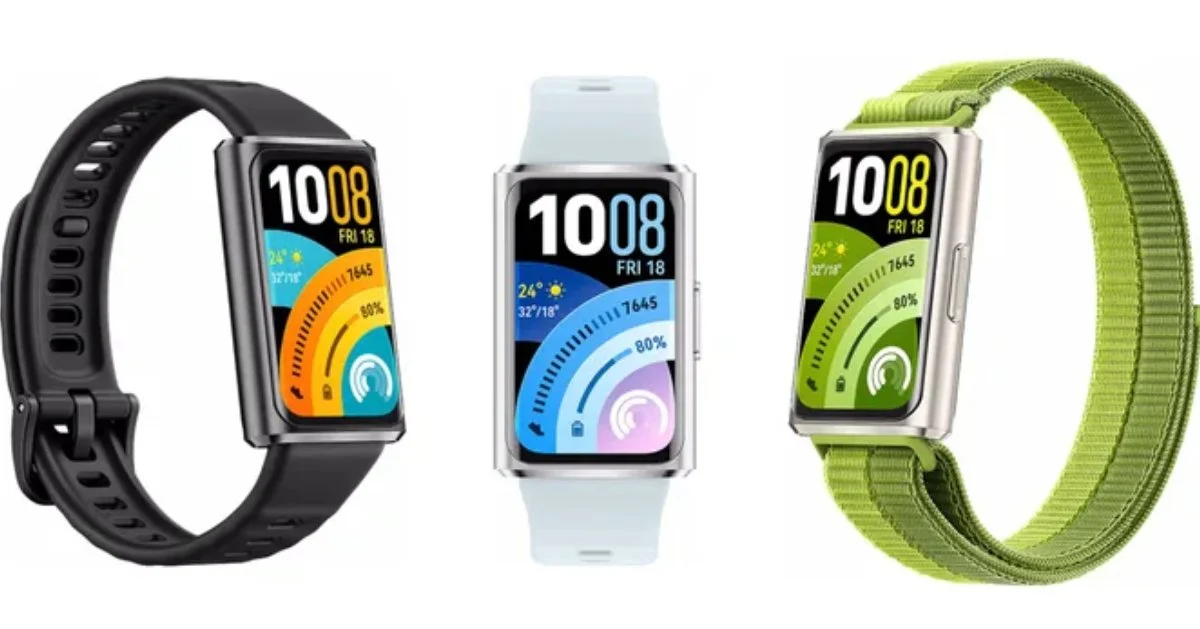
Huawei has officially expanded its wearable lineup with the launch of the Huawei Band 11 and Band 11 Pro. Both devices share a similar design language and core feature set. They are distinguished primarily by their build materials, physical dimensions, and price points. The new series brings enhanced display technology to the company’s popular fitness tracker range. Consumers now have clear choices between standard and premium versions based on their preferences and budget.
Display and Navigation Features
Both models feature a 1.62-inch AMOLED display with impressive specifications. The screen boasts a resolution of 286 × 482 and a pixel density of 347 PPI. This combination ensures sharp text and vibrant colors for fitness data and notifications. Navigation relies on a dual-input system combining full touchscreen controls with a dedicated physical side button. This hybrid approach gives users flexibility in how they interact with the device during workouts or daily use.
The AMOLED technology delivers deep blacks and efficient power consumption. Dark mode interfaces benefit from true black pixels that consume minimal energy. Users can expect excellent visibility even in bright outdoor conditions. The always-on display option provides quick time and date reference without waking the device fully. However, this convenience does impact overall battery performance.
Hardware Differences Between Models
The primary hardware distinctions lie in the chassis construction materials. The standard Huawei Band 11 comes in either an aluminum alloy or a durable polymer case. Weight varies between 16 and 17 grams depending on the material choice. This lightweight design ensures comfortable all-day wear without fatigue. The polymer option offers durability at a lower price point for budget-conscious consumers.
The Huawei Band 11 Pro features an aluminum alloy case by default. It measures slightly larger at 43.5 mm in height and weighs 18 grams excluding the strap. The premium materials give the Pro model a more sophisticated appearance suitable for professional settings. Both wearables utilize fluoroelastomer straps known for durability and skin comfort. This material resists sweat and water damage while remaining flexible during movement.
Sensors and Tracking Capabilities
Both devices carry a 5 ATM water resistance rating suitable for swimming and showering. Users can track pool sessions without worrying about water damage. The sensor suite includes a 9-axis IMU combining accelerometer, gyroscope, and magnetometer functions. This comprehensive motion tracking enables accurate activity recognition and sleep monitoring.
An optical heart rate sensor provides continuous cardiovascular data throughout the day and during workouts. The ambient light sensor automatically adjusts display brightness for optimal visibility. This automatic adjustment saves battery while ensuring screen readability in varying conditions. Together, these sensors create a complete health and fitness tracking platform within a compact wearable form factor.
Connectivity and Battery Performance
The series utilizes Bluetooth 6.0 with BLE (Bluetooth Low Energy) technology. This ensures efficient wireless communication with paired smartphones. Compatibility extends to Android 9.0 and later versions as well as iOS 13.0 and above. Users can receive call and message notifications, control music playback, and sync fitness data seamlessly.
Each device packs a 300mAh battery with impressive longevity estimates. Light usage scenarios deliver up to 14 days between charges. Typical daily use with regular tracking and notifications lasts approximately 8 days. Heavy users enabling the always-on display feature can expect around 3 days of operation. These figures position the Huawei Band 11 competitively against similar fitness trackers in the market.
Pricing and Initial Availability
The devices launched initially in the Philippines market. The standard Huawei Band 11 starts at PHP 2,399, approximately $43 USD. This aggressive pricing targets budget-conscious fitness enthusiasts seeking quality features. The Pro model commands PHP 4,499, roughly $80 USD, reflecting its premium materials and slightly larger size.
Color options vary between the two models. The standard Band 11 comes in Beige, Green, White, Black, and Purple finishes. These varied choices appeal to different personal styles and preferences. The Pro model offers Green, Blue, and Black options, emphasizing a more subdued premium aesthetic. The color differentiation helps consumers visually distinguish between the two product tiers.
Market Positioning and Competition
The dual-model strategy allows Huawei to address multiple market segments simultaneously. The standard Band 11 competes directly with budget fitness trackers from Xiaomi, Samsung, and other manufacturers. Its feature set rivals devices costing significantly more, creating strong value proposition for price-sensitive buyers.
The Pro model targets users willing to pay extra for premium materials and refined aesthetics. This tier competes in the upper mid-range wearable category against products like the Fitbit Charge series and Samsung Galaxy Fit models. The aluminum alloy construction and subtle design differences justify the price premium for style-conscious consumers.
US Release Status Unknown
As of the launch announcement, no official word exists regarding US release plans. Huawei continues facing regulatory challenges in American markets due to ongoing trade restrictions. The company maintains its global presence through strong performance in Asia, Europe, and other regions. US consumers interested in the Huawei Band 11 may need to explore import options or wait for potential future announcements.
The absence from the US market limits Huawei’s global reach but does not diminish the product’s quality. International consumers in approved regions gain access to competitive wearable technology. The company’s commitment to innovation continues despite geopolitical headwinds affecting its American business.
Future Software Support
Huawei typically provides ongoing firmware updates for its wearable devices. The Band 11 series will likely receive feature enhancements and bug fixes over time. The Huawei Health app ecosystem continues expanding with new workout modes and health insights. Users purchasing either model benefit from this continuous improvement cycle.
Integration with Huawei’s broader device ecosystem offers additional value for existing customers. Smartphone users already invested in Huawei products gain seamless connectivity and data synchronization. The company’s strategy encourages ecosystem lock-in through superior cross-device experiences.