

The Maextro defamation lawsuit has concluded with a significant legal victory for the Huawei backed luxury EV brand. A Chinese court ordered influencer Fraccino to pay 300,000 yuan in compensation for fabricated claims about the S800 sedan’s suspension tests.
Background of the Maextro S800 Marketing Campaign
In early 2025, Maextro released promotional videos showcasing the S800 sedan. The clips demonstrated the vehicle performing a crab walk maneuver. They also showed the car driving through potholes filled with water and sand. The S800 left no trace on these surfaces. Meanwhile, the competing Maybach S-Class showed visible marks. These comparisons aimed to highlight the S800’s advanced chassis comfort.
The marketing campaign positioned the S800 as a technological leader. It targeted luxury sedan buyers seeking innovation and refinement. Early consumer response was positive, with strong pre-order numbers reported across Chinese markets.
How the Maextro Defamation Lawsuit Unfolded
Following the video release, automotive blogger Fraccino published a critical response. He claimed the S800 suspension tests were rigged to favor the Maextro brand. He also suggested such marketing tactics are common among Huawei affiliated automotive brands. Maextro requested a public apology in March 2025. Instead, Fraccino released another video mocking Huawei’s marketing approach. This escalation led JAC, a parent company of Maextro, to file a lawsuit in May 2025. JAC initially sought 1 million yuan in damages. Fraccino disagreed and threatened a countersuit for 2.5 million yuan.
The legal proceedings drew attention from industry observers. Many viewed the case as a test of boundaries for automotive commentary online.
Court Ruling and Compensation Details
On February 24, 2026, Maextro’s legal team announced the first instance judgment. The court determined that Fraccino’s descriptions of the Maextro S800 were fabricated. These false statements damaged the company’s reputation. Therefore, the court ordered the defendant to issue a public apology. He must also pay 300,000 yuan, approximately 43,400 USD. This ruling reinforces legal protections for automotive brands against misleading online content.
The compensation amount reflects the court’s assessment of reputational harm. It also signals that influencers must verify technical claims before publication. Brands investing in rigorous testing deserve accurate representation in public discourse.
Broader Impact of the Maextro Defamation Lawsuit on Auto Bloggers
This case reflects a growing concern among Chinese automakers. In November 2025, Fraccino was listed among bloggers who defamed automobile companies to attract traffic. Courts have increasingly sided with manufacturers in similar disputes. Previous cases involved BYD, Great Wall Motor, and Xpeng. In January 2026, a blogger had to pay BYD 2 million yuan for misleading claims about the Denza B5 SUV’s fuel consumption. These rulings signal that false automotive reviews may carry substantial financial consequences.
For content creators, the precedent emphasizes the need for factual rigor. Readers benefit when reviews are based on verified data and transparent methodology.
Maextro S800: Technical Specifications and Market Success
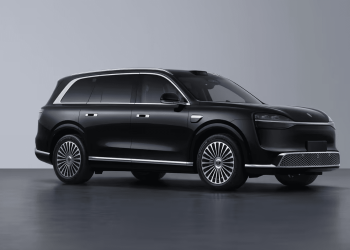
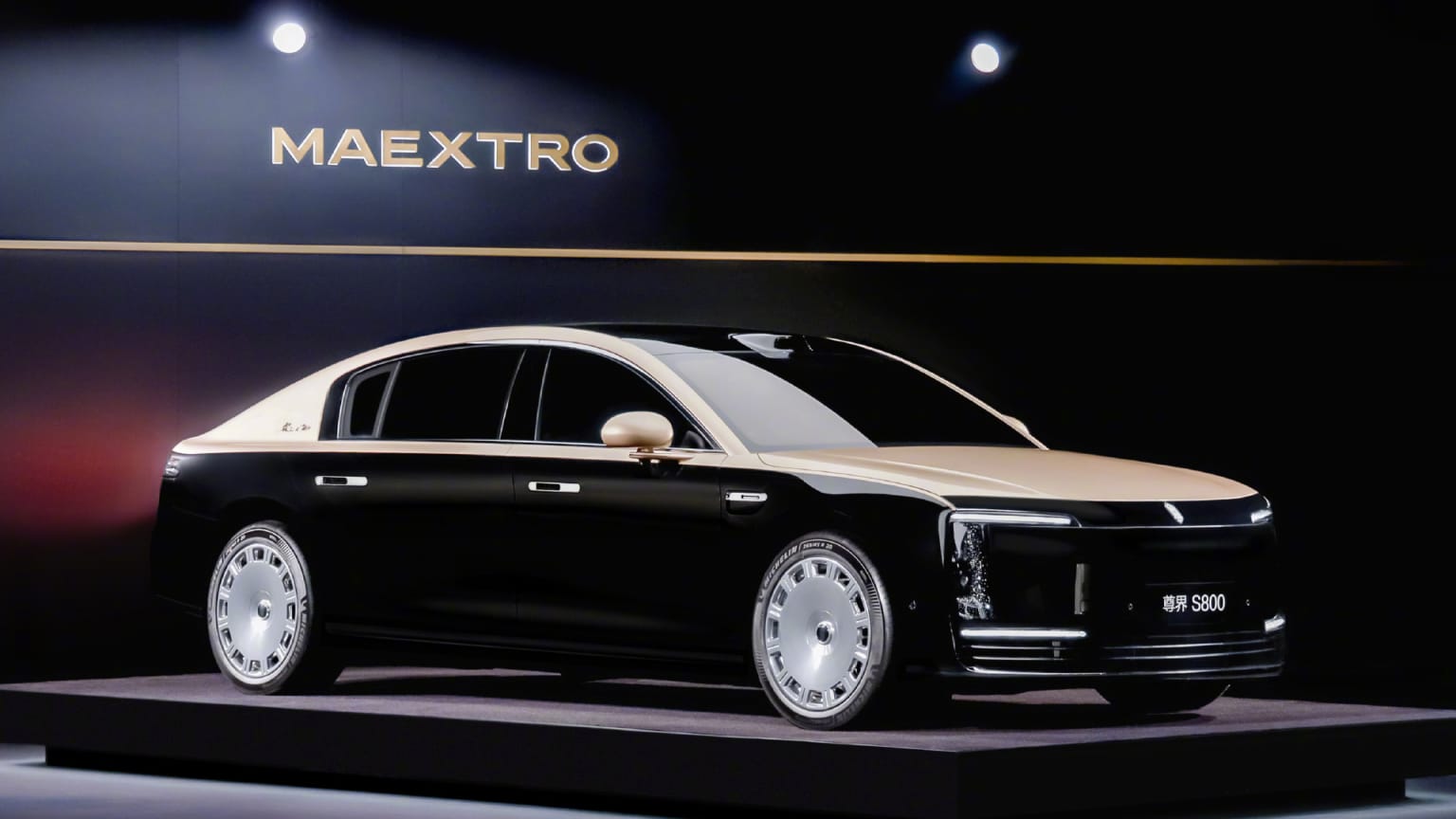
The Maextro S800 is a high end sedan developed by Huawei and JAC. Deliveries began in August 2025. The vehicle quickly became a bestseller in the luxury sedan segment. Its price starts above 700,000 yuan, roughly 100,000 USD. Industry data indicates cumulative sales reached 14,078 units. The S800 measures 5480 mm in length, exceeding the BMW 7 Series by 89 mm. Its cabin features a 15.6 inch touchscreen and a 16 inch front passenger monitor. The all electric variant offers dual motors with 390 kW output and a 95 kWh battery. It delivers a CLTC range of 702 km. An EREV variant provides options for dual or tri motor setups. A 1.5 liter generator and 65 kWh battery support 365 to 400 km of electric range.
The resolution of the Maextro defamation lawsuit underscores the importance of factual reporting in automotive journalism. Brands investing in advanced EV technology deserve accurate representation. Consumers benefit when reviews are based on verified performance data. This legal precedent may encourage more rigorous fact checking among content creators. It also highlights the growing sophistication of China’s luxury EV market. The Maextro defamation lawsuit outcome serves as a reminder that credible automotive commentary strengthens consumer trust and brand integrity.
READ: HarmonyOS 6 Beta Adds Lock Screen Widgets for Huawei Phones