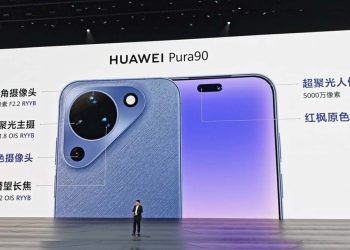


Recent reports suggest 7-inch smartphones from Huawei and Vivo could redefine the large-screen mobile segment. As brands prepare for wider foldable devices, this new direction hints at a strategic shift toward conventional large-screen handsets for the Chinese market and potentially beyond.
Why 7-Inch Smartphones Are Gaining Attention
Industry insiders note that consumer discussions around screen real estate are intensifying. A 7-inch smartphones design with a 16:9 aspect ratio offers noticeably more usable viewing area compared to taller 21:9 panels, eliminating distracting black bars during video playback. Users also highlight improved typing comfort and easier media consumption as key benefits. This renewed interest challenges manufacturers to balance pocketability with functionality. The potential return of dedicated large-screen devices reflects evolving user preferences that prioritize immersive experiences without the mechanical complexity of foldable hinges.
Design and Display Considerations
Creating a comfortable large-screen devices requires thoughtful engineering. Huawei previously launched the 6.96-inch Mate 70 Air, demonstrating expertise in optimizing slim profiles for expansive displays. Vivo’s experience with the 7-inch X Note from 2022 provides valuable insights into managing device thickness and weight. Modern component miniaturization allows today’s 7-inch smartphones to maintain ergonomic handling despite the larger footprint. Manufacturers are likely to use advanced materials like aluminum alloys to keep weight manageable while ensuring structural durability for daily use.
Battery Life and Performance Benefits of 7-Inch Smartphones
The physical dimensions of 7-inch smartphones create valuable internal space for larger batteries without compromising camera sensor quality or thermal management. This advantage directly addresses a common consumer request for extended usage between charges. Enhanced battery capacity supports power-intensive features like high-brightness AMOLED panels and continuous health monitoring without sacrificing all-day reliability. The additional room also allows for more efficient heat dissipation during demanding tasks like gaming or video editing, contributing to sustained performance and longer component lifespan.
Will Consumers Embrace Larger Handsets Again?
Market dynamics have shifted significantly since the original phablet era. While foldable smartphones captured the premium large-screen segment, a dedicated 7-inch smartphones category could appeal to users seeking simplicity and value. The potential revival of the phablets concept depends on strategic pricing and clear differentiation from both standard flagships and foldable alternatives. Huawei and Vivo are positioned to test consumer appetite through limited regional launches before wider deployment. Success will hinge on delivering tangible usability improvements that justify the larger form factor in an era dominated by versatile foldable designs.
The exploration of 7-inch smartphones by leading Chinese manufacturers signals a thoughtful response to diverse user needs. By leveraging existing display technology and battery innovations, these devices could offer a compelling middle ground between compact flagships and premium foldables. For consumers who prioritize screen size for productivity or entertainment without mechanical complexity, this emerging category warrants attention. As Huawei and Vivo refine their prototypes, the mobile industry will watch closely to see if dedicated large-screen handsets can carve out a sustainable niche alongside evolving foldable options. The large-screen smartphones segment may yet experience a renaissance driven by practical design and focused user benefits.