

The Future of Fast Charging: Huawei’s Top 10 Trends for 2026
Fast charging has become a defining feature of modern smartphones and devices. As battery capacities grow and users demand longer usage without downtime, the fast charging technology race intensifies. Huawei, a leader in mobile innovation, is pushing boundaries with advancements that promise faster, safer, and smarter charging experiences. In this article, we explore the top 10 fast charging trends from Huawei for 2026 and what they mean for users and the tech industry.
1. Ultra‑High Wattage Charging
Huawei continues to push power delivery limits. By 2026, the company is expected to mainstream ultra‑high wattage charging, with speeds potentially exceeding 200W for wired charging. This could allow compatible devices to recharge from 0 to 100% in under 15 minutes, dramatically reducing wait times for mobile users.
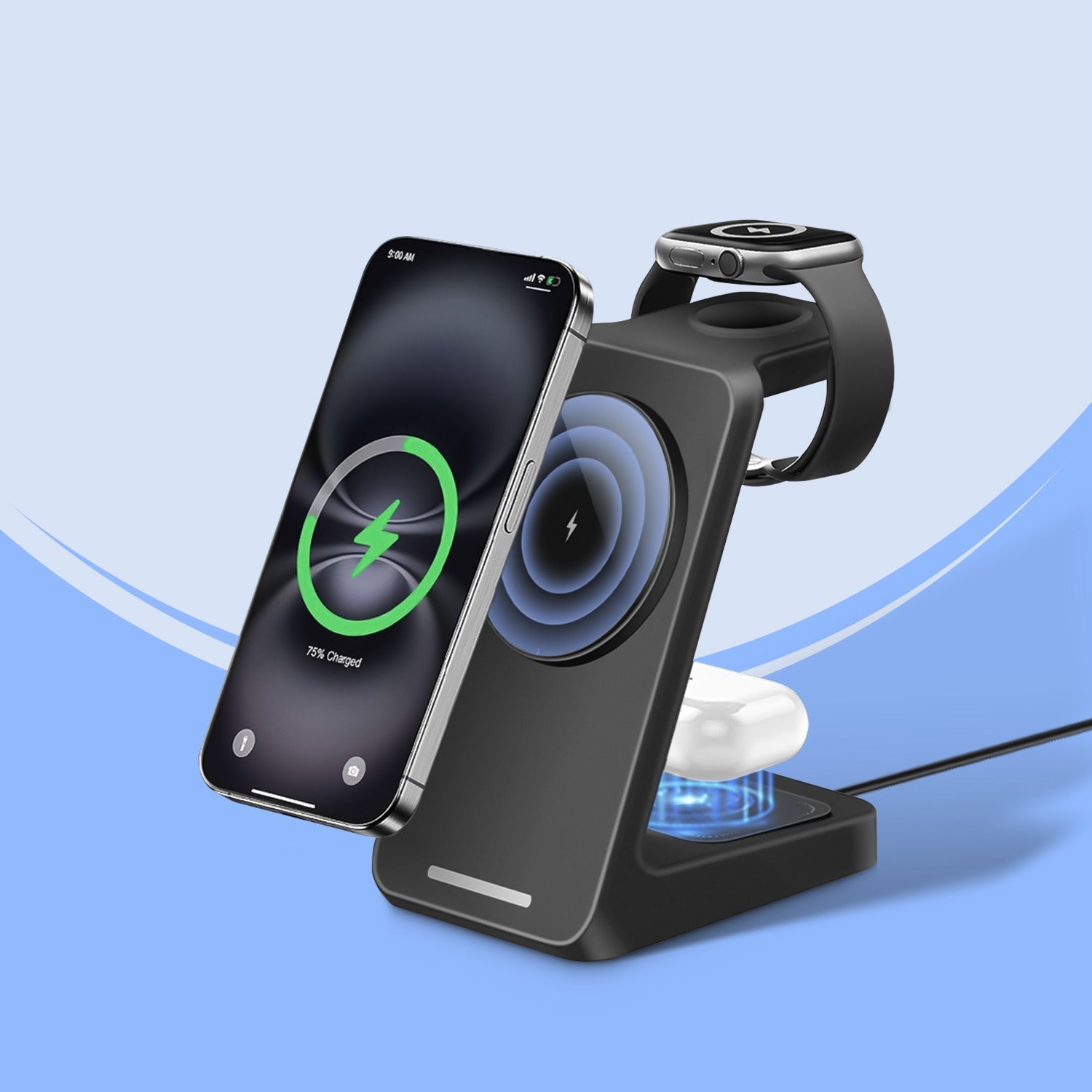
These advances not only improve speed but are designed to work harmoniously with the battery to prevent overheating or damage.
2. Adaptive Smart Charging
Smart charging technology is becoming more intuitive. Huawei’s adaptive charging systems analyze usage patterns and battery health to adjust power delivery in real‑time. For example, overnight charging might use a slower, battery‑friendly rate to preserve long‑term health, while daytime boosts prioritize speed for immediate use.
This smart balance between speed and battery longevity is a key trend for 2026.
3. More Efficient Wireless Fast Charging
Wireless charging is gaining speed, and Huawei is making significant progress toward high‑speed wireless solutions. While early wireless chargers were slower than wired counterparts, the trend is moving toward 50W, 80W, or higher wireless charging, allowing users to place their phone on a pad and receive rapid power without cables.
This wireless surge reduces clutter and meets the needs of users who value convenience.
4. Battery Safety and Thermal Management
Faster charging inevitably creates more heat, which can affect battery life and safety. Huawei is exploring advanced thermal management systems, including improved cooling materials, heat‑dissipating designs, and AI‑assisted heat prediction. These advances help ensure fast charging remains safe, even at higher wattages.
Enhanced safety monitoring also includes real‑time temperature and voltage checks to protect both the user and the device.
5. Bi‑Directional Charging
Bi‑directional charging is a feature that allows devices to not only receive power but also send power to other devices. In 2026, Huawei trends suggest this capability will expand beyond smartphones to tablets and wearable tech. Users can share power between devices in emergencies without needing a power bank.
For example, a phone could charge a smartwatch or earbuds while itself plugged into a larger power source.
6. Cross‑Compatibility and Global Standards
One trend for 2026 is the push toward universal fast charging standards. Huawei is participating in industry efforts to ensure chargers and cables work seamlessly across brands and devices, reducing electronic waste and simplifying user experience.
This aligns with broader global moves toward standards like USB‑C and universal power profiles.
7. Integration with AI and Predictive Power Delivery
AI is transforming how devices manage power. Huawei’s systems are increasingly capable of predicting when a device will need a charge and optimizing energy use. For instance, phones might pre‑emptively charge during periods of low activity to ensure they’re ready when you are busiest.
Predictive power delivery helps enhance battery health and reduce unnecessary charging cycles.
8. Charging Everywhere: Infrastructure and Accessories
Fast charging isn’t just about the phone; it’s about ecosystem support. Huawei’s 2026 trends include expanded fast charging infrastructure such as public charging stations in transit hubs, workplaces, and cafes. New accessories like ultra‑compact chargers and multi‑device docks are expected to complement this infrastructure.
This trend suggests a future where fast charging is accessible wherever you go.
9. Sustainability in Charging Tech
Sustainability is becoming central to tech design, and Huawei’s fast charging evolution reflects this. By improving efficiency, reducing energy loss, and prolonging battery life, these technologies help reduce overall environmental impact. Packaging and charger materials are also expected to shift toward eco‑friendly alternatives.
This aligns with global expectations for greener electronics and responsible tech manufacturing.
10. Next‑Gen Battery Technologies Supporting Fast Charging
Fast charging is only as good as the batteries that endure it. Huawei’s innovation pipeline includes next‑generation battery technologies such as silicon‑enhanced electrodes and solid‑state designs, which promise faster charging, higher capacities, and longer lifespans.
These batteries will be better suited to withstand high currents without degrading quickly, transforming how users interact with their devices day‑to‑day.
The Broader Tech Market Impact
Huawei’s fast charging trends contribute to a larger shift in the technology landscape. Faster, safer charging sets user expectations across brands and encourages competition, which benefits consumers with better performance and innovation.
It also pushes accessory manufacturers, infrastructure developers, and software platforms to keep pace. As phones become more powerful and central to daily life, charging technology becomes an essential part of the user experience rather than a mere feature.
What Users Should Expect in 2026
By 2026, users can expect:
- Significantly faster wired and wireless charging speeds.
- Smarter power management through AI.
- More widespread adoption of bi‑directional and cross‑platform charging.
- Enhanced safety features that protect battery health.
- Greater convenience with charging available in more public locations.
These trends show that fast charging isn’t a static feature — it’s a technology that’s rapidly evolving to meet modern demands.
The future of fast charging, particularly through innovations led by Huawei, points toward faster, safer, smarter, and more accessible power delivery. From ultra‑high wattage standards and intelligent charging to sustainability and infrastructure expansion, the trends for 2026 promise a world where battery anxiety is less of a concern and device uptime is maximized.
As these technologies mature, consumers can look forward to a charging experience that keeps pace with the demands of an increasingly digital and mobile lifestyle.