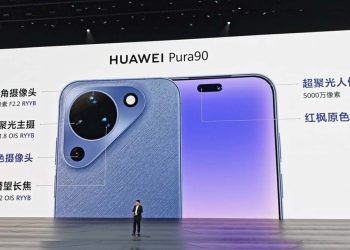


The European Union is moving toward a major shift in its technology and cybersecurity strategy by planning to phase out equipment from so-called “high-risk” suppliers, a move widely seen as targeting Chinese tech giants such as Huawei and ZTE. This proposal comes amid rising concerns over cybersecurity, digital sovereignty, and foreign influence in critical infrastructure. If approved, the plan could reshape Europe’s tech landscape and have broader ripple effects on global supply chains and partnerships.
The phase-out plan represents one of the EU’s most assertive steps yet in reducing dependence on external suppliers deemed vulnerable to geopolitical pressure or infiltration. The debate over Huawei’s role in telecommunications and other tech infrastructure reflects broader tensions between economic cooperation, security priorities, and international related
What the EU Is Proposing
Under draft legislation tied to revisions of the EU’s Cybersecurity Act, Brussels plans to tighten controls over technology deemed critical to national and regional infrastructure. This would require mobile network operators and other industries to remove equipment from suppliers identified as “high-risk” within a specified period — typically up to three years once the list of high-risk entities is published.
Although the proposal does not name Huawei explicitly, its impact on the company is expected, as it has been a principal supplier of 5G telecom equipment across several EU countries. The revised rules would go beyond voluntary guidance and make exclusion of risky tech mandatory, pushing member states toward compliance over security concerns.
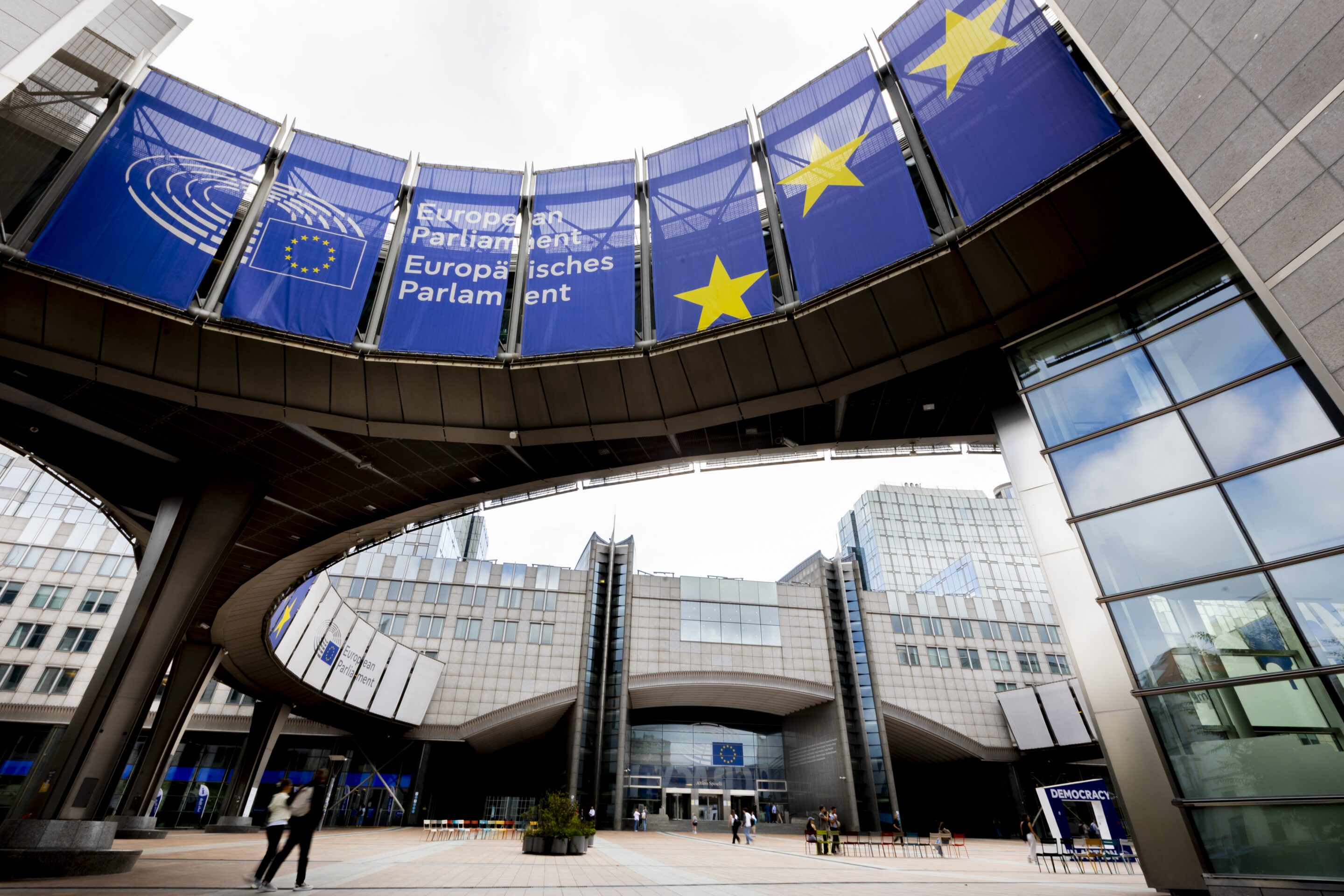
EU officials justify the plan as a defense against cyber threats, espionage, and foreign interference, arguing that national security and infrastructure resilience depend on reducing dependence on suppliers from countries with laws that may compel cooperation with state intelligence services.
Why the EU Wants to Phase Out Huawei
1. Cybersecurity Concerns
The EU has consistently flagged concerns about the integrity and safety of critical networks if they rely on equipment from firms whose legal environments do not guarantee robust protections against unauthorized access. This extends to potential spyware, backdoors, or other vulnerabilities in communications infrastructure.
2. Digital Sovereignty
European policymakers are increasingly focused on reducing dependency on foreign technologies and strengthening internal capabilities. By encouraging the adoption of trusted suppliers and boosting EU tech innovation, the strategy aims to enhance autonomy over critical digital systems
3. Geopolitical Pressures
Tensions between China and Western countries over trade, security, and technology have intensified. Moves like this reflect not just technical concerns but broader geopolitical strategies. China has publicly criticised the EU’s plans, claiming they may violate WTO rules and deter investment confidence.
Impact on the Tech Industry
Telecommunications Sector
The most direct impact will be felt in telecoms. Huawei has been a major supplier of 4G and 5G network equipment across Europe. A forced transition away from its hardware means telecom operators must invest heavily in alternative technologies — such as those from Ericsson, Nokia, and other vendors — which could temporarily slow network upgrades and raise costs.
Supply Chain and Cost Pressures
Networks built with Huawei components will require a “rip and replace” strategy that involves significant logistical and financial expense. Smaller operators and countries with heavy reliance on Huawei gear may face delays or budget strains as they transition to new suppliers.
Shift in Market Opportunities
European and global competitors may benefit from Huawei’s reduced footprint in the EU. Companies like Nokia and Ericsson could see increased demand for network equipment. Likewise, this opens opportunities for local EU firms to innovate and capture more of the infrastructure market.
Broader Tech Ecosystem
Beyond telecoms, the phase-out rules could eventually apply to other sectors such as cloud services, medical devices, energy systems, and digital infrastructure. That could accelerate demand for trusted, certified technology solutions from non-Chinese suppliers.
Global Repercussions
The EU’s approach mirrors some policies already enacted by the United States, which banned new Huawei equipment approvals in 2022 and encouraged allies to reduce their reliance on Chinese tech. These moves contribute to a fragmentation of global tech standards, where countries may align around different technology blocs.
In response, China has criticised the EU’s strategy, suggesting it could harm economic cooperation and deter future investments. Huawei itself argues that excluding suppliers based on origin rather than technical performance undermines fairness and could violate international trade principles.
Challenges and Criticisms
Critics argue that the phase-out could slow down network deployment, especially for newer technologies like 5G Advanced and future 6G. Others caution that shifting away from Huawei could benefit a smaller set of dominant suppliers, potentially reducing competition and driving up costs.
There are also political challenges within the EU, where member states differ in their stance on Huawei and the scope of tech restrictions. Some countries with existing Huawei infrastructure may resist a compulsory phase-out, preferring national discretion over EU mandates.
The European Union’s plan to phase out Huawei technology represents a major strategic shift in how the bloc approaches digital infrastructure and cybersecurity. While driven by legitimate security concerns, the policy has broad implications for the telecommunications ecosystem, supply chains, and international tech competition. Its success will depend on careful implementation, industry cooperation, and balancing economic interests with security priorities — setting a precedent for how countries address foreign tech influence in critical sectors.