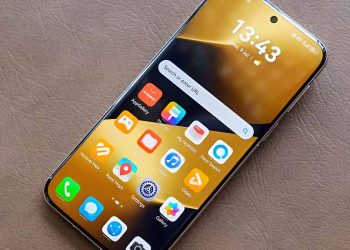


Huawei’s latest flagship smartphone has secured a decisive win in a critical area of performance. The Mate 70 Air holds a commanding Huawei battery advantage over rivals like the Galaxy S25 Edge and iPhone Air. This Huawei battery advantage stems from a massive 6500mAh cell using advanced silicon-carbon anode technology. Consequently, users benefit from multi-day endurance without constant charging concerns. While competitors often sacrifice capacity for slimness, Huawei’s engineering prioritizes this core Huawei battery advantage. Therefore, the Mate 70 Air delivers a practical benefit that many users prioritize. The device supports 66W fast charging, complementing its substantial Huawei battery advantage. This combination addresses a common smartphone limitation head-on. Ultimately, the clear Huawei battery advantage could influence buying decisions for power-conscious consumers.
Samsung and Apple flagship devices typically house batteries around 5000mAh or less. The Mate 70 Air’s significant Huawei battery advantage highlights a key point of differentiation. Despite international restrictions on certain technologies, Huawei has innovated in power cell design. The resulting Huawei battery advantage is not just about size but also energy density. This allows the phone to maintain a relatively sleek profile despite its large capacity. For consumers, the Huawei battery advantage translates directly to longer screen time and less anxiety. The choice presented is between extreme thinness and exceptional endurance, with Huawei opting for the latter.
Technical Edge in Power Cell Design
The foundation of this performance lead is advanced engineering. The Mate 70 Air uses an ultra-thin silicon-carbon anode battery. This chemistry provides a higher energy density than traditional graphite cells. This technical innovation is the source of the device’s Huawei battery advantage. It allows for greater capacity within a constrained physical space. Furthermore, the support for 66W wired fast charging ensures the large battery can be replenished quickly. This holistic approach to power management solidifies the Huawei battery advantage, making it a core feature rather than just a specification.
Direct Comparison with Competing Flagships
When compared directly, the Huawei battery advantage becomes starkly apparent. The Galaxy S25 Edge, as a slim model, likely uses a battery significantly smaller than 5000mAh. Similarly, Apple’s iPhone Air prioritizes form factor, resulting in a lower capacity. The Mate 70 Air’s 6500mAh cell represents a potential 30% or greater increase. This substantial gap in endurance defines the Huawei battery advantage in the current market. It positions the device as the optimal choice for users whose primary concern is avoiding a dead phone.
Strategic Trade-off: Endurance Over Thinness
The article acknowledges a deliberate design choice. The Mate 70 Air may be slightly thicker than its rivals to accommodate its large power cell. This trade-off is central to the Huawei battery advantage. Most manufacturers currently prioritize shaving millimeters off their devices. Huawei’s strategy with the Mate 70 Air flips this priority, asking consumers to value longevity over minimal thickness. This clear-eyed trade-off makes the Huawei battery advantage a matter of philosophy as much as engineering.
Market Positioning and Consumer Choice
In a competitive global market, the Huawei battery advantage serves as a powerful differentiator. For users frustrated with daily charging, it offers a compelling solution. This focus on a tangible user benefit allows Huawei to compete effectively on hardware innovation. The Huawei battery advantage is easily understood and highly valued in many markets, particularly in Asia. It shifts the conversation from features the device may lack to a core strength it possesses in abundance.
Implications for the Smartphone Industry
The success of this approach could pressure the wider industry. If consumers strongly respond to the Huawei battery advantage, rivals may need to accelerate their own power cell innovations. The use of silicon-carbon anode technology might become more widespread. This could spark a renewed “battery war,” shifting focus back to substantive improvements in daily usability. The Mate 70 Air’s Huawei battery advantage sets a new benchmark that others will be compelled to address in future product cycles.
Huawei’s achievement with the Mate 70 Air is significant. By establishing a clear Huawei battery advantage, the company has carved out a distinct and valuable position in the flagship segment. It demonstrates that meaningful innovation focused on core user experience remains possible. For consumers, it provides a welcome alternative that prioritizes utility and freedom from battery anxiety.