

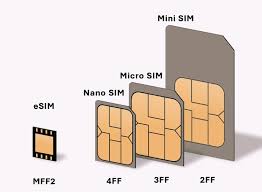
The arrival of eSIM phones marks a major milestone in smartphone technology. With the release of Apple’s iPhone Air, China officially entered the “cardless era.” The Ministry of Industry and Information Technology recently approved nationwide commercial trials for eSIM operations by China Mobile, China Unicom, and China Telecom. This approval opened the door for local manufacturers like Huawei and OPPO to compete in this rapidly evolving market.
Huawei and OPPO Set the Pace
Among domestic brands, OPPO was the first to introduce an eSIM-ready device with its Find X9 Pro Satellite Edition. The model features dual-slot compatibility, allowing users to enjoy eSIM flexibility without giving up traditional SIM cards. This hybrid design balances innovation and market readiness.
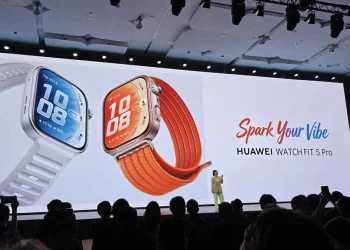
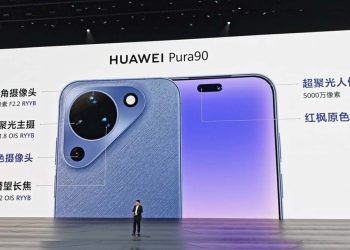
Meanwhile, Huawei listed its new Mate 70 Air, which is expected to rival Apple’s iPhone Air. Reports suggest it could become Huawei’s first fully eSIM-enabled phone, reflecting the company’s commitment to cutting-edge design and performance.
The Pursuit of Thinness and Innovation
Apple’s push for ultra-thin design has once again influenced the entire smartphone market. The iPhone Air, at only 5.6mm thick, demonstrates how eliminating the physical SIM slot can help achieve a lighter body. Lenovo followed with its moto X70 Air, even thinner at 5.3mm, though it retains a traditional SIM slot.
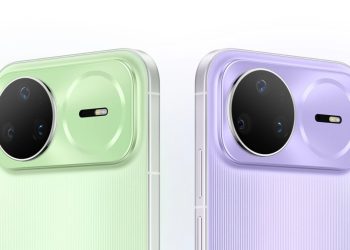
Not every manufacturer has followed this route. Vivo chose not to release its ultra-thin prototype, citing compromises in camera performance and battery life. This highlights a crucial industry debate—whether thinness should outweigh functionality and user experience.
Challenges Ahead in the Cardless Era
Despite the excitement, eSIM phones still face challenges. Apple’s iPhone Air, for example, has seen weaker demand due to compromises in battery life and sound quality. Yet the long-term potential of eSIM remains immense. It offers instant network activation, eliminates SIM card pins, supports multiple devices under one number, and simplifies international roaming.
According to GSMA, global eSIM connections could reach 1 billion by the end of 2025 and 6.9 billion by 2030, accounting for over 75% of mobile connections worldwide. As the technology matures, brands like Huawei and OPPO are positioning themselves at the forefront of this cardless revolution, signaling a new phase for the smartphone industry.