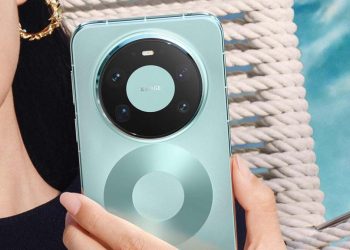


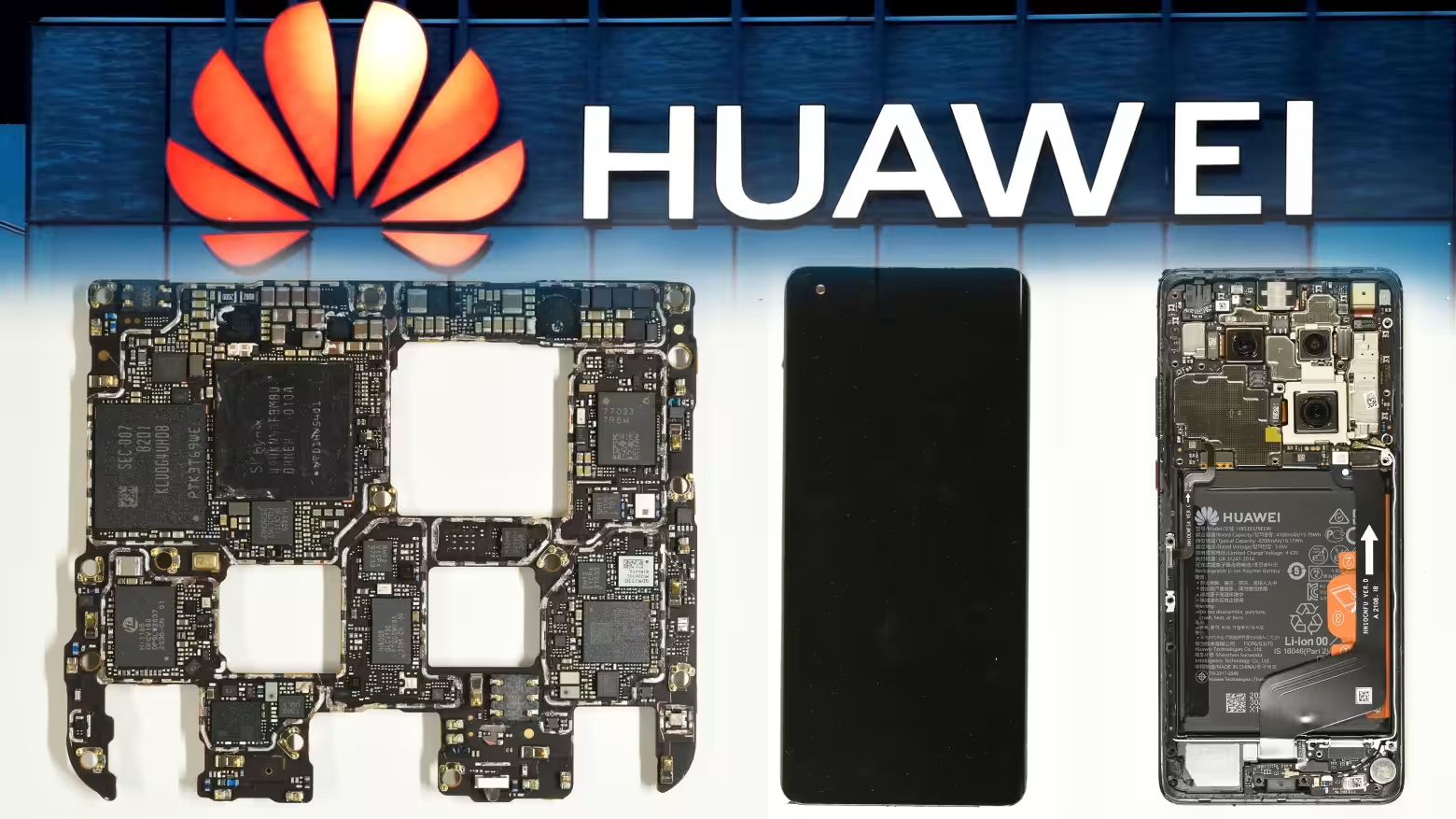
Huawei has dramatically increased the share of Chinese-made components in its smartphones to nearly 60%. A new teardown analysis reveals this sharp rise in domestic procurement. This strategic shift is a direct response to stringent US export restrictions. Consequently, it highlights China’s accelerated progress in producing advanced semiconductors and memory chips.
Teardown Analysis: Tracking the Rise of Domestic Parts
With help from Japanese specialist Fomalhaut Techno Solutions, Nikkei disassembled two flagship models: the 2024 Mate 70 Pro and the 2025 Pura 80 Pro. The analysis calculated the procurement ratio by country based on estimated component costs. The results show a clear trend. In 2020, Huawei’s domestic component ratio was just 19%. By 2023, it grew to 32%. Now, in the latest models, it has reached 57%. Meanwhile, parts from Japan, the US, and South Korea fell by over 20 combined percentage points.
The Catalyst: US Export Restrictions
The shift began with US sanctions imposed in 2019. These restrictions barred US companies from supplying Huawei. The rules expanded to foreign companies using US technology in 2020. Facing a sudden supply crisis, Huawei rapidly built a domestic semiconductor supply chain. This move was essential for its survival and future product development.
Key Domestic Breakthroughs in Components
The teardown identified specific high-value components now sourced locally. For its system-on-a-chip, Huawei uses the Kirin 9020, designed by its subsidiary HiSilicon. Analysts believe this chip has a 7-nanometer circuit width, comparable to Apple’s 2019-era technology. While a gap remains, it represents significant progress.
Memory and Display Sourcing
In critical memory components, Huawei made major switches. For DRAM, it now uses products from ChangXin Memory Technologies (CXMT). For NAND flash memory, it sources from Yangtze Memory Technologies (YMTC). Additionally, the expensive OLED displays now come from BOE Technology Group. These changes mean key components are almost entirely Chinese-produced.
China’s Semiconductor Push
Huawei’s sourcing shift is part of a national drive for technological self-sufficiency. According to TechInsights, China’s semiconductor self-sufficiency rate reached 23.3% in 2023, up 8.4 points in a decade. The government is aggressively funding research and attracting global talent. Meanwhile, Chinese companies like Naura Technology Group are gaining ground in chipmaking equipment.
Remaining Challenges and Global Context
Despite progress, experts note a performance gap of over five years compared to leading-edge chips. Design capabilities exist, but mass-production challenges persist. However, the trajectory is clear. As Akira Minamikawa of Omdia notes, components like semiconductors also have military uses, underscoring the strategic stakes. For ongoing analysis of the tech trade war, the Center for Strategic and International Studies (CSIS) provides valuable insights.
A Strategic Decoupling in Progress
Huawei’s journey to 57% domestic component value is a landmark achievement. It demonstrates how US sanctions accelerated China’s push for tech independence. While not yet fully self-sufficient, Huawei has built a resilient, predominantly Chinese supply chain for its flagship phones. This trend is reshaping global tech manufacturing and intensifying the US-China technology competition. The company’s success in sourcing high-end memory and displays domestically signals that China’s semiconductor industry is climbing the value chain, with profound implications for global markets.